Prologue
A Crowd Is Only Part of the Story
International concert schedules often compress Northern Europe into a sequence of dates, listing names, venues, and weekend dates without conveying the drastic logistical divergence between a self-contained gravel-and-grass metropolis like Roskilde and an urban park gathering like Øyafestivalen in Oslo. To arrive in Scandinavia expecting identical festival formats is to arrive unprepared for the distinct realities of regional rail passes, seasonal daylight variations, cashless payment infrastructures, and municipal environmental ordinances.
Each major Nordic festival responds to a specific physical landscape. In western Denmark, Smukfest nests beneath centuries-old beech trees in the Skanderborg Dyrehave, where rain creates a microclimate of damp earth and sheltering foliage. On the Baltic coast of Sweden, Sweden Rock transforms the rural coastal village of Norje into an orderly maritime rock settlement. Meanwhile, Gothenburg’s Way Out West immerses attendees into central tram routes and city park lawns without a single pitch tent on site.
"The Nordic festival experience is defined less by stage decibels than by how cleanly one negotiates the railway, the fjord crossing, or the temporary tent city."
Brightbasnordwhm Field Editorial
This guide provides long-term context rather than promotional hype. We evaluate Scandinavian festivals by the real demands they place on travellers: transport links, municipal accommodation pressures, local topography, and edition-verified calendars.
Chronology
Set the Edition Before the Date
Dates shift between years according to weekend alignments, municipal park permits, and European touring routes. While festival cultures remain remarkably stable across decades, exact gate openings and sound curfews belong strictly to verified annual editions. Below is the verified schedule baseline for major Scandinavian editions alongside long-standing geographic realities.
| Festival & Verified Edition |
Location & Setting |
Standard Calendar Slot |
Confirmed / Verified Edition Window |
Primary Transit Mode |
| Roskilde Festival (54th Ed.) |
Roskilde Dyrskueplads, Denmark |
Late June to early July (8 days) |
June 27 – July 4, 2026 |
DSB Special Train to Roskilde St / Festival Trinbræt |
| Sweden Rock Festival |
Norje, Sölvesborg, Blekinge, Sweden |
Early June (Wednesday–Saturday) |
June 3 – June 6, 2026 |
Blekingetrafiken Shuttle from Karlshamn / Sölvesborg St |
| Bergenfest |
Bergenhus Fortress, Bergen, Norway |
Mid June (Wednesday–Saturday) |
June 10 – June 13, 2026 |
Vy Bergen Line / Flesland Light Rail (Bybanen) |
| Smukfest |
Skanderborg Dyrehave, Denmark |
First full week of August |
August 5 – August 9, 2026 |
Arriva & DSB Rail to Skanderborg + Festival Shuttle |
| Way Out West |
Slottsskogen Park, Gothenburg, Sweden |
Second weekend of August |
August 13 – August 15, 2026 |
Västtrafik City Tram to Linneplatsen / Botaniska |
| Øyafestivalen |
Tøyenparken, Oslo, Norway |
Early-to-mid August |
August 11 – August 15, 2026 |
Ruter T-bane Metro to Tøyen / Ensjø Station |
Editorial Note: Sourced directly from official organisers (Roskilde Festival Charity Society, Live Nation Sweden, and respective municipal permits). Always confirm gate-opening hours and campsite ticketing independently prior to booking non-refundable international rail reservations.
Denmark Spotlight
Denmark’s Temporary Music Cities
Zealand, Denmark
Camping Mega-City
Roskilde Festival
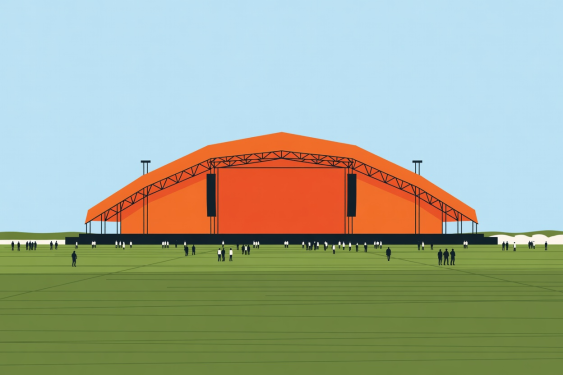
A fully non-profit temporary city that accommodates upwards of 130,000 citizens. Organised into community camping zones, circular sustainability initiatives, and dedicated passenger train platforms directly connecting to Copenhagen Central Station.
Jutland, Denmark
Woodland Canopy
Smukfest (Skanderborg)
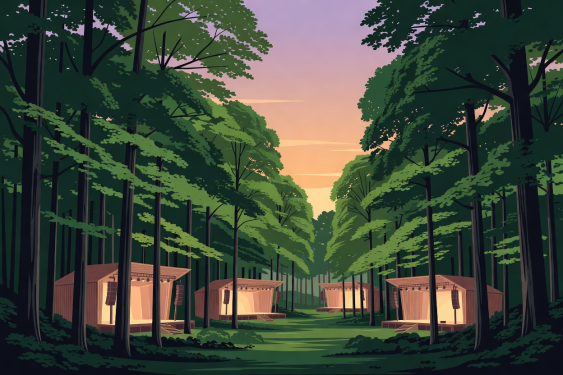
Known informally as "Danmarks Smukkeste Festival," this gathering unfolds entirely within a protected beech forest. The damp woodland floor and tree-canopy acoustics create a festival footprint sharply distinct from Roskilde’s open plains.
Sweden Spotlight
Sweden Across Several Stages
Blekinge, Sweden
Coastal Greenfield
Sweden Rock Festival
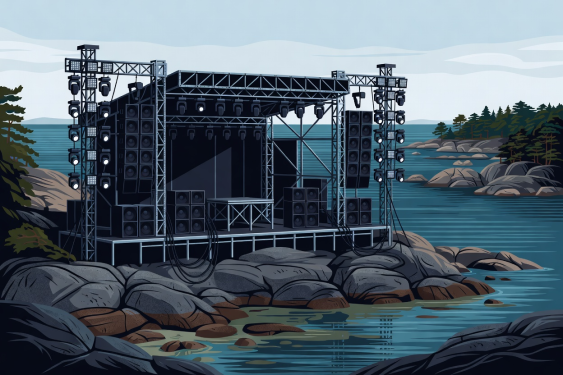
Situated on the Baltic inlet of Norje, Sweden Rock stands as one of the most meticulously planned hard rock assemblies globally. Five stages operate in rotational succession without sound overlap, backed by strict environmental order.
Gothenburg, Sweden
Urban Vegetarian Park
Way Out West
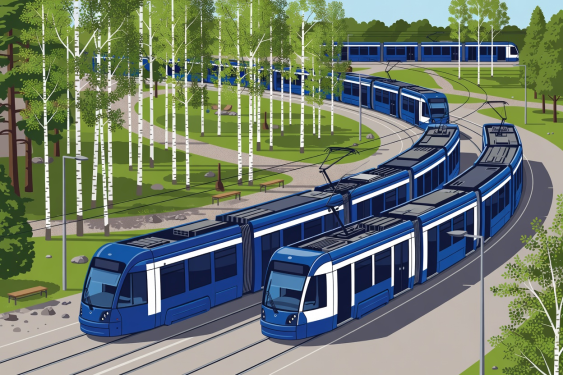
An entirely urban festival staged in Slottsskogen, renowned for its completely vegetarian culinary policy, carbon-conscious logistics, and late-night 'Stay Out West' club annexes dispersed across Gothenburg's central districts.
Norway Spotlight
Norway Between City and Landscape
Oslo, Norway
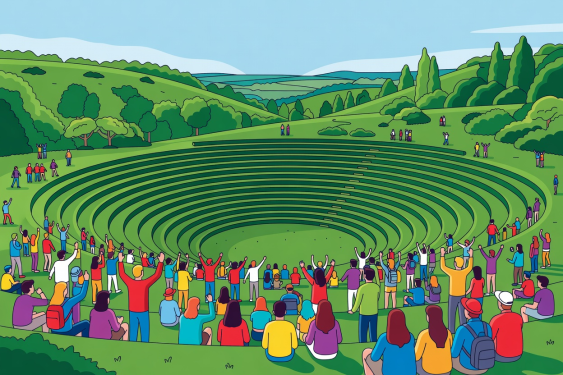
Natural Amphitheatre
Øyafestivalen (Oslo)
Held in Tøyenparken, Øya leverages natural grassy slopes that yield stadium-grade sightlines across several stages. Attendees stay in metropolitan Oslo, arriving smoothly by the Ruter T-bane metro system.
Bergen, Norway
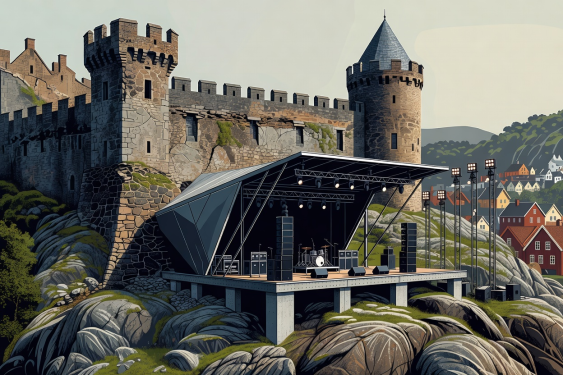
Medieval Stone Setting
Bergenfest
Hosted at Bergenhus Fortress, one of Norway's oldest stone citadels. Sound reverberates off thirteenth-century royal masonry alongside the rainy harbour of Bergen, requiring robust wet-weather gear and maritime awareness.
Logistics Primer
Make the Journey Fit the Programme
Navigating the Scandinavian festival circuit requires understanding that Scandinavian distances can be deceptively vast. While Denmark is compact and threaded with rapid DSB intercity trains, reaching Blekinge in Sweden or crossing Norway from Oslo to Bergen requires significant transit planning.
The Bergen Line (Bergensbanen) railway across the Hardangervidda mountain plateau is widely celebrated as one of the world's most scenic rail corridors, yet it demands nearly seven hours of travel time between Norway's two primary music hubs. Similarly, crossing the Øresund Bridge between Copenhagen Airport and southern Sweden provides seamless rail transit, but requires passengers to carry active identification for spot-checks.
Verification & FAQ
The Details Worth Rechecking
Unlike conventional European mega-festivals that allow physical cash transactions or paper passes, Scandinavian events operate with near-absolute digital infrastructure. Bank cards and contactless apps (MobilePay in Denmark, Swish in Sweden, Vipps in Norway) predominate, although foreign travellers should rely on international chip-and-PIN credit or debit cards.
Are physical cash notes accepted at Roskilde and Way Out West?
Almost universally, no. Denmark, Sweden, and Norway operate some of the most strictly cashless festival environments in the world. Merchandising booths, beverage kiosks, and artisan food stalls require contactless bank cards (Visa, Mastercard) or festival wristband chips loaded digitally. Always carry at least two independent payment cards.
What is the distinction between city festival ticketing and camping passes?
Festivals like Way Out West, Øya, and Bergenfest do not offer camping at all; ticket holders must secure hotels, hostels, or rental apartments well in advance within Gothenburg, Oslo, or Bergen. Conversely, Roskilde tickets customarily bundle standard tent camping into the full festival pass, with optional upgrades for pre-pitched pitches and quiet zones.
How does rain affect Scandinavian festival sites?
Soil composition determines the severity. Roskilde’s agricultural fields turn into heavy clay mud during extended downpours, demanding knee-high rubber boots. Bergenfest features gravel, asphalt, and stone ground, meaning standing water puddles rather than deep mud. Smukfest’s beech canopy provides initial cover, but moisture lingers in the mossy ground for days.
VIEW FULL ANSWERS & LOGISTICAL DISCLOSURES